
Elizabeth Holmes convinced investors that her company, Theranos, could revolutionize blood testing. Now, years after her promises were exposed as false, a documentary that offers an unusually personal look at her life raises another question: How much of what she says can you actually believe?
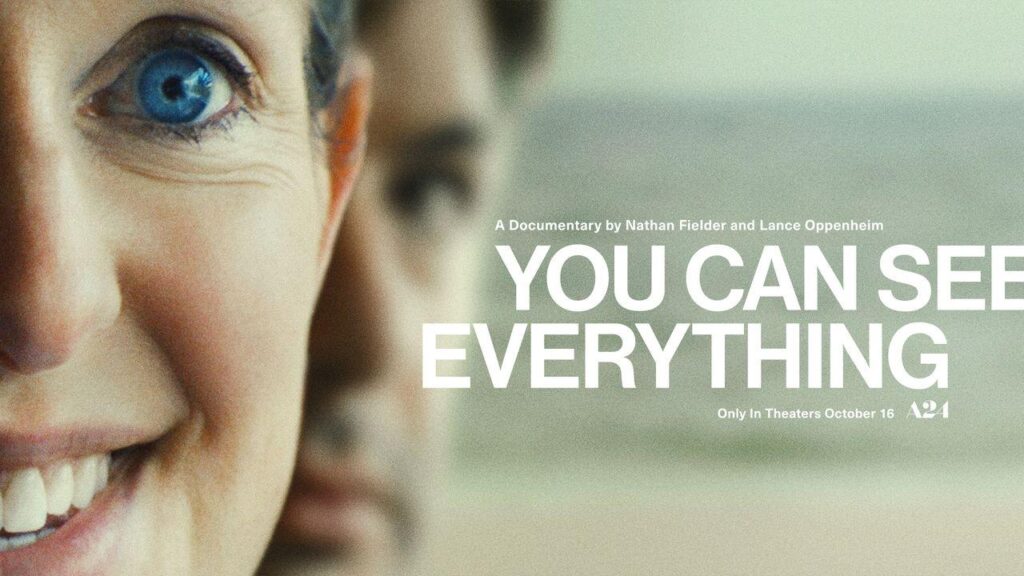
Released Oct. 16, “You Can See Everything,” directed by Nathan Fielder and Lance Oppenheim, follows Holmes in the 34 days before she reports to prison. The documentary looks at Holmes, her partner, Billy Evans, and their family as she prepares to serve her sentence for defrauding investors.
Holmes founded Theranos with the promise that its technology could perform numerous medical tests using only a few drops of blood. However, the company failed to deliver on those promises, and Holmes was eventually convicted of fraud. Her story has already been covered extensively, but “You Can See Everything” manages to make it interesting again.
Instead of simply recounting the Theranos scandal, the documentary focuses on Holmes and her interactions with the filmmakers. Fielder, known for his unusual sense of humor and often uncomfortable conversations, brings a different approach to the story. His interactions with Holmes are sometimes funny, sometimes unsettling, and frequently difficult to interpret.
One of the most interesting moments comes when Fielder asks Holmes whether she has ever lied in her life. Despite her conviction, Holmes claims that she does not believe she has ever lied, not even about something insignificant. Her response is difficult to believe, but it also raises the question of whether she is deliberately deceiving others or genuinely believes everything she says.
The documentary also examines Holmes’ relationship with Evans, which becomes increasingly concerning as the film continues. His behavior raises questions about whether Holmes is in a controlling and potentially abusive relationship. However, Holmes’ own actions make it difficult to determine whether she is being manipulated or is also manipulating Evans. Their relationship becomes one of the most compelling parts of the documentary because neither person is particularly easy to understand.
What I found most interesting was how much the film made me question what I already knew about the case. The documentary complicates how viewers understand her actions and the people surrounding her. At times, she appears vulnerable, while in other moments, her responses seem calculated. I found myself questioning not only whether she was telling the truth, but also how much she believed her own explanations.
Fielder’s approach makes these questions even more interesting. Rather than simply accepting Holmes’ answers, he continues asking questions, often allowing uncomfortable conversations to develop. His persistence reveals contradictions that might otherwise go unnoticed, while also making viewers question how much they can trust their own impressions.
I would strongly recommend “You Can See Everything.” Even at nearly three hours long, the documentary held my attention because I was constantly reconsidering what I believed about Holmes and the people involved in her life. It offers a perspective that goes beyond the details of the Theranos scandal and examines the complicated relationship between truth, manipulation, and personal belief.
