
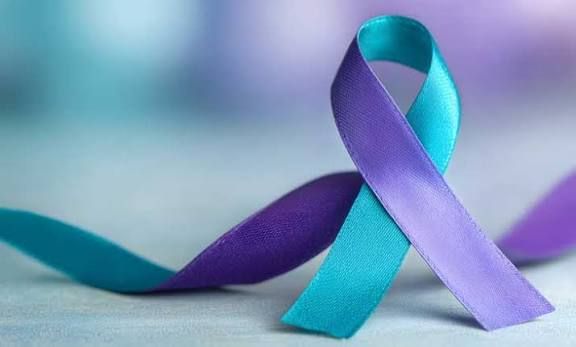
At the beginning of September, I came across a poster for suicide week from The Center for Health and Wellness on the floor. It had fallen off the door of my residence hall building, with partial pieces of the tape still on both it and on the door itself. The poster was put up during the first week of the semester, and I only noticed it the same morning as the night I found it on the ground, the other posters still posted and unmoved.
Although I wonder how many of the students at Eastern even double-take when passing by the posters found all over campus, it is more important to address the topic, which is still too taboo to be openly discussed at any moment, for us to have the ability to properly show up for people the way we should. Suicide is not just a word we come across during September; it is an active killer that takes the lives of people who simply were not given enough. Researchers say that suicide is not just the second leading cause of death for college students; it is a decision made by stressed, depressed, or lonely teenagers who are taken from their parents and us much sooner than they should. And, finally, suicide is a public issue that, if simply discussed more often alongside the additional effort to end certain stigmas, and if we check in on one another, acting as resources to others while practicing our own mental health, we can reduce the approximate number of 800,000 global annual deaths by it. Waiting for someone we are close with to attempt suicide should never be our green light to start speaking out. By learning how to recognize the warning signs and using preventative measures, we can stop it from happening early on while providing support for all those who may need it.
No one can be expected to notice all the potential warning signs that someone might be having suicidal ideation (the thoughts or fantasies about ending your own life). However, it should also not be something we neglect to educate ourselves on either. Although September can only highlight the importance of spreading awareness for suicide prevention for a limited time (despite how we should pay attention to it all year-round), it is also a good time to look into our communities and recognize how much support is really being provided beyond the awareness and education.
After looking into the resources available on campus, I interviewed Martina Lewis-Mitchell, the Assistant Director of Coaching and Opportunity at Eastern University, who helps students in multiple ways, such as overseeing the program of Academic Coaching. Academic coaching is one of the many resources available to students at Eastern; it focuses on helping students learn and grow in many ways that better their lives during the college setting. Some of the things a student might build on when meeting with an academic coach are time management, study skills, stress management, resource connection and personal development. The regular check-ins done within the program allow students to have someone to build a connection with and speak to, something all of us could benefit from.
During my conversation with Lewis-Mitchell, I asked about mental health resources at Eastern and spoke with her about suicide prevention. The highlight of the interview, however, was her advice on supporting students: When asked what she thinks someone should do in a situation where they are worried about one of their peers, she quick-wittedly mentioned that there is no room for being gentle.
According to Lewis-Mitchell, the biggest issues that arise in these situations are people who beat around the bush when, really, we should be asking the questions bluntly. “‘Do you want to harm yourself?’ And they might shrug that off, but be serious: ‘Do you want to harm yourself?’ And if they say yes, ‘Have you made a plan?’ Those are the two questions that don’t get asked… If a student is not comfortable with asking that question, they should be alerting somebody immediately and keeping an eye on that student,” she said. In case you were wondering, CAPS, the Counseling and Psychological Services Center at Eastern, is her recommendation for who to alert.
Throughout the week of Sept. 21-24, the Center for Health and Wellness is having interactive events along with educational workshops made to help us all be better at supporting one another. This small week of meaningful conversations is only a portion of the awareness that can be spread beyond just this month. If you can, stop by one of these events and build on being a better neighbor not only for yourself, but for others. Remember that if you or someone you know is struggling with suicidal thoughts, help is always available. CAPS is located on the ground floor of Doane A; they provide counseling, mental health, and wellness support for Eastern students. Please email caps@eastern.edu or call 610-341-5837 for more information. Additionally, there is the national 24-hour suicide and crisis hotline, 988. There are so many people willing to help you, so please never forget: you are loved, you are not alone, and your life is worth living.
