
Take spring break to get ahead of work:
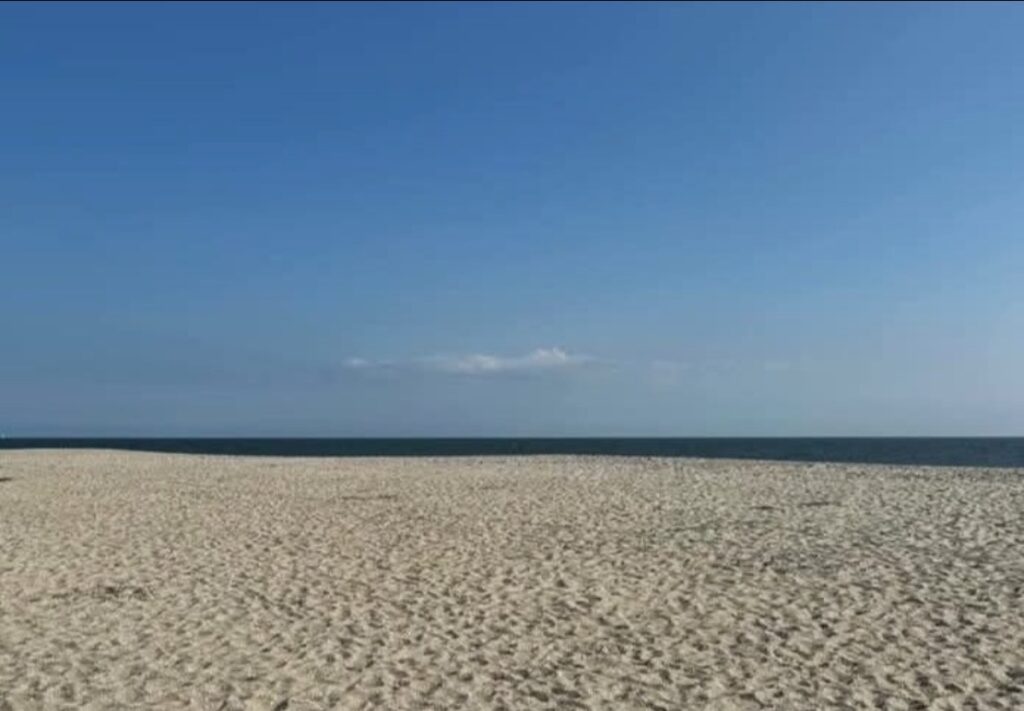
Relaxing and having fun during spring break may seem like a given. Numerous movie and book plots revolve around their characters’ spring break, showing them living what looks to be the college life dream. Everyone daydreams of relaxing on a lake or in a cabin during spring break, forgetting the troubles of the semester and having their first taste of summer for the year. You have likely even considered planning a day down at the shore and trying all the saltwater taffy Atlantic City has to offer.
Here’s the hard truth: we live in a northern state, and Eastern’s spring break starts in February. The weather is unpredictable, it’s still cold and the snow has yet to entirely melt away around us. This has been an especially hard winter, so even most short-distance road trips you could take right now could potentially involve some icy roads and ugly puffer jackets.
Instead of breaking your own heart by planning a trip that will be far less glamorous than you expect, it is better to power through your work and get caught up on assignments during your time off. Working now will allow you more time to focus later in the semester when you have more urgent matters piling up, like studying for finals and packing to leave your dorm for the summer.
That Spring 2 FLEX course you thought was such a great idea? Get a head start on it during break, and you won’t have it looming over your head like a rain cloud by the time finals roll around. Your final project you haven’t acknowledged yet? Read over your assignment sheet and make an outline before you’re down to the wire. You can also ask your professors if they will allow you to submit any work you’ve missed so far in the semester for partial credit.
If you happen to complete whatever work you’re crunching during break, you can request additional hours from your campus job. During normal weeks in a semester, students can work up to 20 hours per week. During break weeks, 40 hours are permitted. That’s double what you’d be making on a regular week. Working through spring break isn’t just an academic decision; it’s a financial one, too!
I know it sounds depressing to say that you have no spring break plans other than working like a dog to get back on track with assignments, but it will save you stress and pressure in the long run. Sometimes, the lesser of two evils really is as unpleasant as giving up time that has been given to you for enjoyment. However, there is no better feeling than lying in bed at night and knowing nothing is overdue, falling behind or getting that automatic failing grade on Brightspace after 11:59 p.m. Your first-week-of-May self will thank you for taking the weight off their shoulders, and you’ll still have time to be free over the summer!
Use spring break as a time to rest:
Breaks are much beloved by children, students and working adults alike. They provide a welcome reprieve from the rat race of school and work and, we are told, “recharge our batteries” so that we are able to keep working. Yet, that is the central problem with breaks, or rather, how we perceive them. Breaks are generally used for one of two tasks: catching up on work or relaxing. It is a dichotomy that I have often heard from my friends; it’s the dichotomy that prompted this Twofold article. But it is a false dichotomy because working during a break and “vegging out” both serve the same end goal: work. We either get ahead on work, or we relax so that we can do more work when the break is over. We have leisure so that we can work. According to philosophers such as Josef Pieper, that is fundamentally, dangerously backwards.
Taking a cue from Aristotle, Pieper argues that, in fact, “We work so that we can have leisure.” His book “Leisure, the Basis of Culture” gives a far better explanation for that argument than I can provide here. Essentially, Pieper believes that humans are not meant to be solely workers; yes, work is a good and essential activity, yet it is not good in and of itself: it serves a purpose external to itself. When we define ourselves entirely by work, we lose an essential part of our being.
As most religions and philosophies teach, there is more to the world than money. There is a metaphysical element of reality that deserves our attention. That is what Pieper means by “leisure”: it is a posture that perceives reality as it truly is. The most obvious form of leisure is religious practice: prayer, meditation, ritual and worship all (should) orient us towards the highest good, i.e., God. Unfortunately, Americans are obsessed with work to the extent that most of us are effectively materialists. That is not unique to this country, nor is it unique to this century, but it is evident that the growing industrialization of the world and absurd levels of wealth available to us have made a life of “total work” (as Pieper calls it) appealing.
Brian Williams, Dean of the honors college at Eastern tells his students every Friday to, “Get yourselves into the woods and get yourselves into church.” That is not a call to do more work, nor to lounge in front of a television. It is a call to leisure– to wander the beautiful world that has been given to us and to worship the God from whom all blessings flow. There is nothing wrong with using your spring break to catch up on assignments or watch some good TV shows. But, dear reader, take 30 seconds, take 15 minutes, take an hour, take a day, to practice leisure. Take a walk in nature instead of spending the day inside; really taste your dinner instead of just shoveling it down; pray instead of reading the news; go to church. What leisure looks like is different for different people, but, dear reader, this spring break, please do something that connects you to a world greater than school, work and yourself.

